Diwali is often associated with happiness, family gatherings, beautiful decorations, new clothes, sweets and celebrations. Homes light up with diyas, families come together, and social media fills with pictures of people celebrating the festival. But what if Diwali doesn't feel particularly joyful to you? What if you find yourself feeling lonely despite being surrounded by …

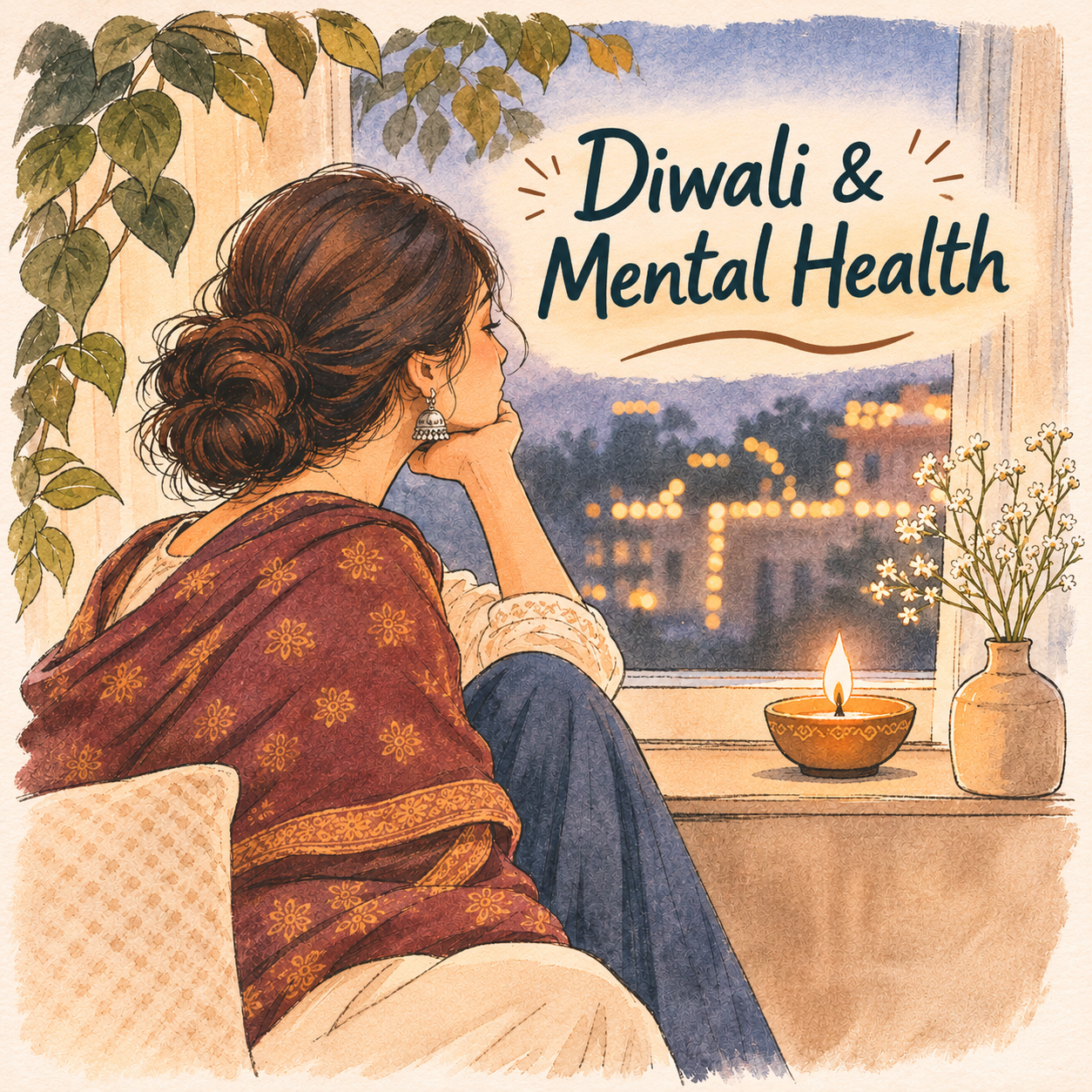
Diwali is often associated with happiness, family gatherings, beautiful decorations, new clothes, sweets and celebrations. Homes light up with diyas, families come together, and social media fills with pictures of people celebrating the festival.
But what if Diwali doesn’t feel particularly joyful to you?
What if you find yourself feeling lonely despite being surrounded by family? What if you are missing someone who is no longer around? Or perhaps the thought of attending family gatherings, managing expectations and participating in celebrations feels emotionally exhausting.
You might even find yourself thinking, “It’s Diwali. I should be happy. Why am I feeling this way?”
The truth is that Diwali and mental health can have a complicated relationship. While festivals can bring happiness and connection, they can also bring up grief, loneliness, anxiety, family-related stress and financial pressure.
And these experiences deserve attention too.
Let’s explore why festivals can sometimes feel emotionally overwhelming and what you can do to take care of your mental health during Diwali.
Why Can Diwali Affect Your Mental Health?
Festivals are not simply social occasions. They are deeply connected to our memories, relationships, cultural identities and personal experiences.
For some people, Diwali brings back childhood memories of decorating the house, waiting for the first firecracker, wearing new clothes and spending time with loved ones. For others, it may bring reminders of relationships that have changed, people who are no longer around or circumstances that no longer resemble what they once were.A familiar song, a particular smell, a family ritual or even the sight of a decorated home can evoke memories associated and bring back the sadness.
These memories can bring warmth and nostalgia, but they can also bring sadness, longing and a heightened awareness of what has changed.
The difficulty is not necessarily the festival itself. Sometimes, it is everything the festival reminds us of.
Let’s look at five common emotional challenges that people may experience during Diwali.
-
Feeling Lonely or Experiencing Grief During Diwali
One of the most difficult experiences during festivals can be the absence of someone who was once an important part of our celebrations.
Perhaps it is your first Diwali without a parent, grandparent, partner, friend or pet. The family still gathers, the sweets are prepared and the diyas are lit, but there is an empty space that everyone silently notices.
Grief does not follow a predictable timeline. Meaningful occasions can sometimes make the experience of loss more noticeable, even when considerable time has passed.
Research by Carr, Sonnega, Nesse and House (2014), published in The Journals of Gerontology: Series B, examined whether special occasions were associated with increased psychological distress among older bereaved spouses. The researchers identified heightened psychological distress around certain personally significant occasions, particularly during the early months following a loss.
A more recent integrative systematic review by Leaune, Lau-Taï and Pitman (2026) examined 58 studies and reports concerning bereavement anniversary reactions. It identified psychological and physical responses associated with significant dates and occasions. Although these studies do not specifically investigate Diwali, they help explain why emotionally significant occasions can be particularly difficult for someone experiencing bereavement.
How can you cope with grief during Diwali?
You do not have to force yourself to recreate the same happiness you experienced in previous years.
You could:
- Light a diya in memory of someone you have lost.
- Prepare a dish that they particularly enjoyed.
- Continue a family tradition that reminds you of them.
- Share stories and memories with people who knew them.
- Allow yourself to step away when celebrations become overwhelming.
Missing someone during a celebration does not mean you have failed to move forward. Sometimes, making space for grief is also a way of making space for love.
The Pressure to Be Happy: When Festivals Become an Emotional Obligation
Have you ever felt that you were expected to be happy simply because everyone around you was celebrating?
Festivals often come with an unspoken emotional expectation. We are supposed to be enthusiastic, social, grateful and cheerful. We are expected to participate, meet relatives, attend gatherings and enjoy ourselves.
But emotional experiences do not automatically change because the calendar says it is Diwali – time to celebrate.
Someone experiencing depression may not have the emotional energy to participate in festivities. Someone dealing with anxiety may find social gatherings overwhelming. A person going through a difficult phase in their relationship or career may struggle to connect with the celebratory atmosphere. Sometimes, individuals even feel guilty about not being able to enjoy something that is traditionally considered a happy occasion.
This brings us to the concept of emotional suppression.
Psychologists James J. Gross and Oliver P. John, in their influential 2003 research on emotion regulation, examined two strategies: cognitive reappraisal and expressive suppression.
Their findings suggested that habitual expressive suppression was associated with less positive emotion, greater negative emotion and poorer interpersonal functioning. This does not mean that every instance of keeping an emotion private is harmful. Rather, it highlights the potential emotional costs of consistently suppressing what we feel.
You can be grateful for what you have and still feel sad about something you have lost. You can enjoy parts of Diwali and feel exhausted by other parts. You can love your family or friends and still need some time away from them.
Your emotional experience does not have to match the atmosphere around you.
Family Gatherings, Comparisons and Uncomfortable Conversations
For many people, Diwali is synonymous with family reunions. However, family gatherings can also bring up complicated interpersonal dynamics. Questions about marriage, career, salary, relationships, weight, children and future plans may seem like ordinary conversations to some, but they can feel deeply uncomfortable to others.
Imagine someone who has recently experienced a breakup being repeatedly asked about their marriage plans. Or someone struggling professionally being compared to a cousin who seems to have everything figured out. Or an individual who has worked hard to establish boundaries with family members suddenly finding those boundaries dismissed.
The desire to maintain family harmony can sometimes lead people to suppress their discomfort, agree to things they do not want or participate in conversations that leave them emotionally drained.
It is important to recognise that maintaining relationships does not mean abandoning your emotional boundaries.
A few ways to manage family-related stress during Diwali:
- Prepare gentle responses: You do not have to explain every personal decision. A simple “I would rather not discuss this right now” can be enough.
- Recognise your limits: You are allowed to step away from a conversation or take a break from a gathering.
- Avoid unnecessary comparisons: Everyone’s circumstances, opportunities and timelines are different.
- Seek emotional support: Having someone you trust to talk to can make difficult family interactions easier to navigate.
You can value family relationships without making yourself responsible for keeping everyone comfortable at your own expense.
Social Media Comparison: When Everyone Else Seems Happier During Diwali
A beautifully decorated home, coordinated outfits, elaborate celebrations, expensive gifts and pictures of happy families. Social media often gives us a glimpse into the most visually appealing parts of people’s celebrations. But what we see online is rarely the complete picture.
Someone spending Diwali quietly at home may begin wondering why everyone else seems to have somewhere to go. Someone who cannot afford elaborate celebrations may feel inadequate when scrolling through pictures of expensive gifts and decorations. This is where social comparison becomes relevant.
A 2024 systematic review and meta-analysis by Ahmed and colleagues, published in the Journal of Affective Disorders, examined 182 studies involving more than one million participants.
The researchers found that problematic social media use was associated with depression, anxiety and poorer well-being. They also noted that ordinary social media use had comparatively weaker associations with mental health.
While this research does not specifically examine festive social media content, it offers useful context for understanding how our online experiences may interact with emotional well-being.
It is worth remembering that a photograph cannot tell us whether someone felt connected, whether a family gathering was emotionally comfortable or what happened after the camera was put away.
How can you avoid social media comparison during Diwali?
- Reduce scrolling if festive posts are affecting your mood.
- Avoid comparing your celebrations, finances or relationships with what you see online.
- Spend more time engaging in activities that genuinely bring you comfort.
- Remember that you do not need an elaborate celebration to have a meaningful Diwali.
Sometimes, a quiet evening, a familiar meal and the company of one person you feel comfortable with can be just as meaningful.
Financial Pressure and Festive Burnout
Diwali preparations can involve considerable planning, time and financial expenditure.
Cleaning, shopping, decorating, preparing food, organising gatherings and meeting social expectations can become overwhelming, particularly for people who are already managing demanding personal or professional responsibilities. There can also be pressure to purchase gifts, wear new clothes, host elaborate celebrations or maintain a particular standard of living. Another aspect worth considering is the invisible labour that goes into organising festivals.
When celebrations begin to feel like a list of obligations rather than something enjoyable, it may be time to reconsider what actually matters. A few things that may help:
- Set a realistic festive budget and avoid unnecessary expenditure.
- Divide household responsibilities rather than managing everything yourself.
- Simplify decorations and preparations.
- Prioritise traditions that genuinely hold meaning for you.
- Give yourself permission to say no to activities that feel overwhelming.
A celebration does not become less special because it is less elaborate.
7 Ways to Take Care of Your Mental Health During Diwali
The intention is not to avoid celebrations or eliminate every uncomfortable emotion. It is to find ways of participating in the festivities while remaining attentive to your emotional needs.
Here are seven practical ways to look after your mental health during Diwali.
- Allow yourself to experience your emotions
You do not have to force happiness or immediately find a positive perspective. If you feel sad, lonely, anxious or overwhelmed, acknowledge the experience without judging yourself.
- Create celebrations that feel comfortable for you
Not everyone enjoys large gatherings, elaborate preparations or packed social calendars. Choose activities that feel meaningful rather than participating simply because you feel obligated.
- Set realistic expectations
You do not need a perfectly decorated home, an elaborate outfit or an extensive social calendar. Allow yourself to simplify things and prioritise what matters. Just lighting some diyas can feel special as well.
- Make space for meaningful connections
If you are feeling lonely, consider reaching out to someone you trust. A meaningful conversation can sometimes feel more comforting than being surrounded by a large group of people.
- Honour memories without forcing yourself to move on
If you are missing someone, consider lighting a diya in their memory, preparing something they enjoyed or sharing stories about them. You are allowed to carry their memory into your celebrations.
- Take breaks from social media
If seeing other people’s celebrations is making you feel inadequate, overwhelmed or disconnected, consider reducing your screen time. You do not have to document every moment to make it meaningful.
- Seek professional mental health support when necessary
If feelings of sadness, anxiety, hopelessness or emotional exhaustion persist and begin interfering with your everyday functioning, consider reaching out to a mental health professional.
You do not have to wait for things to become unbearable before seeking support.
When Should You Consider Therapy During the Festive Season?
Occasional sadness, loneliness or emotional discomfort during festivals does not automatically indicate a mental health condition.
However, if you find yourself experiencing persistent emotional distress, difficulty managing relationships, overwhelming anxiety, prolonged grief or a significant loss of interest in everyday activities, speaking with a mental health professional may help.
Therapy can provide a safe space to explore these experiences, understand emotional patterns and develop healthier ways of responding to difficult situations.
Depending on your needs, approaches such as Emotional Freedom Techniques tapping (EFT), Acceptance and Commitment Therapy (ACT) and EMDR trauma-informed therapy may be helpful.
Seeking therapy is not about learning how to become happy during every celebration. It is about understanding yourself and developing the emotional resources to navigate difficult experiences.
When the Lights Are Lit, Make Room for Yourself Too
Diwali celebrates the triumph of light over darkness. It is a beautiful reminder of hope, renewal and new beginnings. But perhaps there is another way to understand this symbolism.
Not every difficult emotion needs to disappear immediately. Not every painful experience needs to be converted into a lesson. Not every person needs to feel hopeful simply because it is a festive occasion. Sometimes, emotional well-being begins with acknowledging where we are rather than pressuring ourselves to feel differently.
You can light a diya while grieving.
You can attend a family gathering while recognising that you need boundaries.
You can celebrate with others while quietly navigating something difficult.
You can have a peaceful, uneventful Diwali and still have a meaningful one.
This festive season, perhaps the most compassionate thing you can do for yourself is to let go of the expectation that you must feel a certain way.
You do not have to be happy every moment to deserve happiness. You do not have to feel whole to participate in life. And you do not have to light up every part of your darkness at once.
Sometimes, it is enough to allow yourself to be exactly where you are.
Wishing you a Diwali filled with warmth, meaningful connections and, most importantly, the freedom to experience it in your own way.
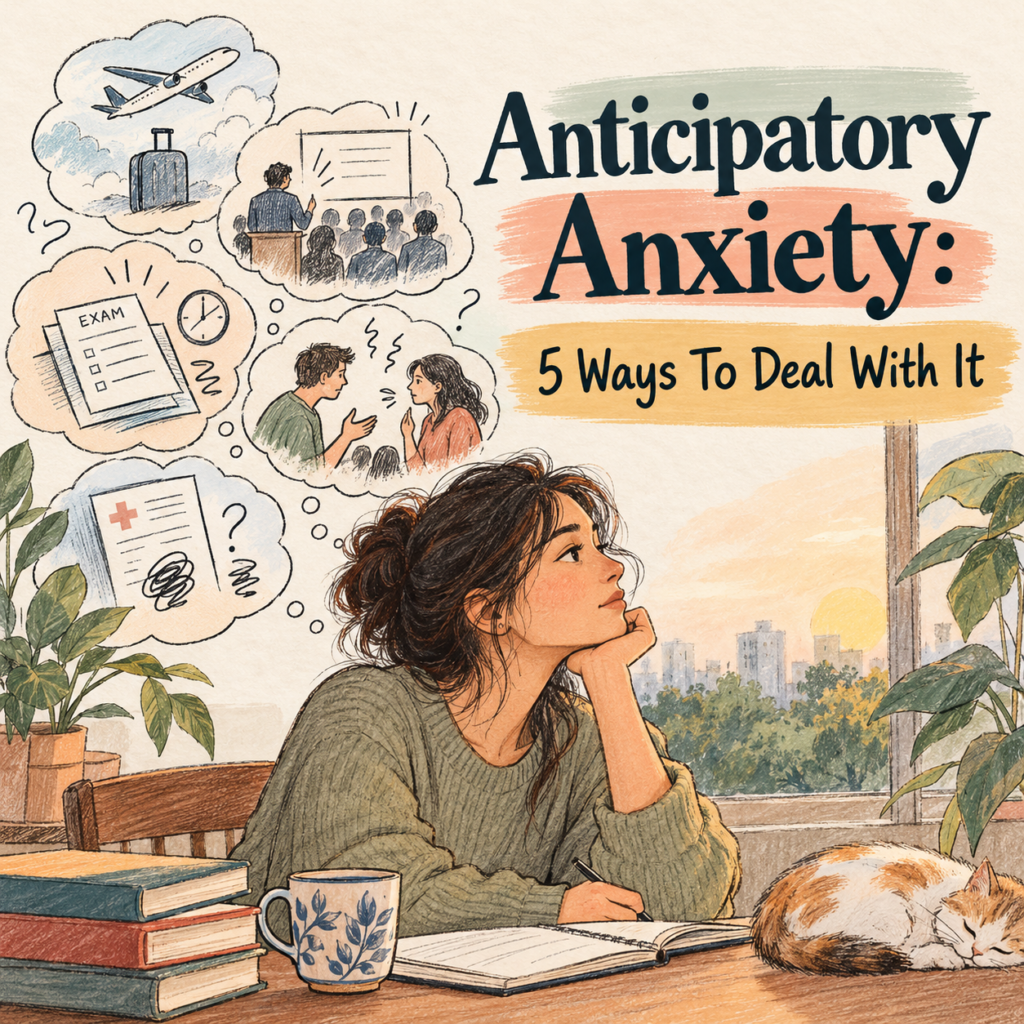
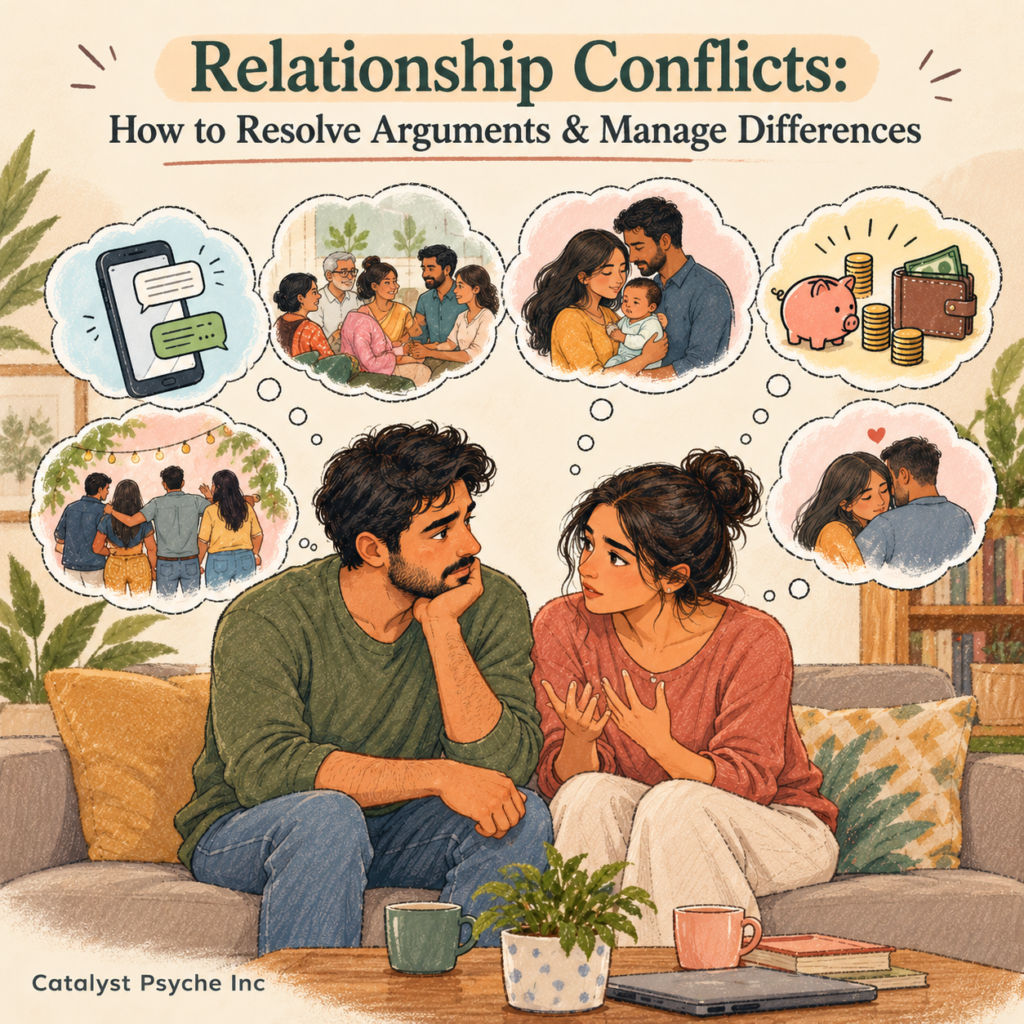
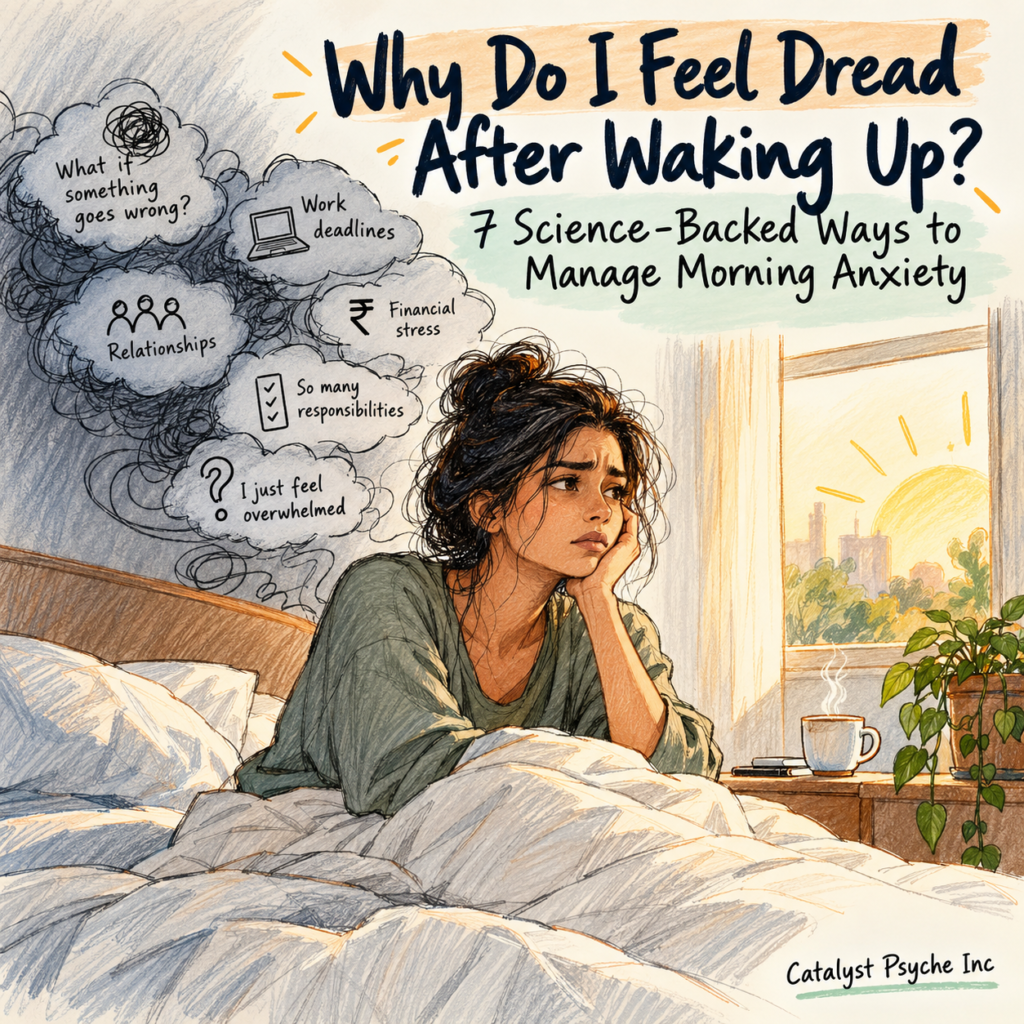
Read More – Anticipatory Anxiety: 5 Ways To Deal With It; Why Do I Feel Dread After Waking Up? 7 Science-Backed Ways to Manage Morning Anxiety
Frequently Asked Questions About Diwali and Mental Health
- Why do I feel sad during Diwali even when everyone around me is happy?
Festivals can bring up memories, grief, loneliness, family-related stress and comparisons. The contrast between your internal emotional experience and the celebratory atmosphere around you can sometimes make these feelings more noticeable. You do not have to force yourself to feel happy simply because it is a festival.
- Is it normal to feel lonely during Diwali?
Yes. Loneliness is not necessarily determined by how many people are around you. You can experience loneliness even when surrounded by family and friends, particularly when you do not feel emotionally understood or connected.
- How can I manage anxiety during Diwali?
Try setting realistic expectations, limiting overwhelming social commitments, taking breaks when necessary and maintaining routines that support your well-being. If anxiety becomes persistent or interferes with daily functioning, professional support may be helpful.
- How do I cope with grief during Diwali?
Allow yourself to acknowledge the loss rather than forcing yourself to feel happy. You may find comfort in remembering your loved one, continuing meaningful traditions or creating new rituals that honour their memory.
- Why do family gatherings make me anxious during festivals?
Family gatherings can involve uncomfortable questions, comparisons, unresolved conflicts and expectations. These interactions may trigger anxiety, particularly when you feel that your boundaries or personal choices are not being respected. Preparing responses and allowing yourself to take breaks can help.
- Should I avoid family gatherings if they affect my mental health?
Not necessarily. The decision depends on your circumstances, emotional capacity and the nature of the relationships involved. You can consider shorter visits, setting boundaries, taking breaks or choosing not to attend gatherings that feel particularly overwhelming.
- Can festivals trigger depression or make existing depression worse?
Festivals do not necessarily cause depression, but the associated social expectations, grief, loneliness and family stress can make existing emotional difficulties more noticeable. If you experience persistent low mood, hopelessness or loss of interest in everyday activities, consider consulting a mental health professional.
- When should I seek professional help for emotional distress during Diwali?
Consider seeking professional support when emotional difficulties persist, interfere with daily functioning or become difficult to manage independently. Therapy can help you understand your experiences and develop healthier coping strategies.
References and Further Reading
- Carr, D., Sonnega, J., Nesse, R. M., & House, J. S. (2014). Do Special Occasions Trigger Psychological Distress Among Older Bereaved Spouses? An Empirical Assessment of Clinical Wisdom. The Journals of Gerontology: Series B, 69(1), 113–122.
- Leaune, E., Lau-Taï, P., & Pitman, A. (2026). The Phenomenon of Bereavement Anniversary Reactions: An Integrative Systematic Review. Death Studies, 50(9), 1528–1545.
- Gross, J. J., & John, O. P. (2003). Individual Differences in Two Emotion Regulation Processes: Implications for Affect, Relationships, and Well-Being. Journal of Personality and Social Psychology, 85(2), 348–362.
- Ahmed, O., Walsh, E. I., Dawel, A., Alateeq, K., Espinoza Oyarce, D. A., & Cherbuin, N. (2024). Social Media Use, Mental Health and Sleep: A Systematic Review with Meta-Analyses. Journal of Affective Disorders, 367, 701–712.
Note: These studies examine broader psychological experiences such as bereavement, emotional regulation and social media use. They do not directly investigate Diwali-related mental health outcomes. Their findings are discussed as relevant psychological perspectives rather than Diwali-specific evidence.